Just like other hard-working PC hardware components, the CPU generates heat when operating and needs to be properly cooled to achieve maximum performance. In air cooling, heat is transferred from the CPU’s IHS, through the applied thermal paste, and then to the conductive base plate, which is usually made of copper or aluminum. From the base plate, the thermal energy moves to the attached heat pipes.
These heat pipes are designed to channel heat from one location to another. In this case, the heat moves to a heatsink positioned higher on the motherboard, freeing up space for other components, such as RAM. The pipes carry the heat energy to thin metal fins that form the heatsink. These fins are designed to maximize exposure to cooler air, which then absorbs heat from the metal. The attached fan then pushes the warm air away from the heatsink.
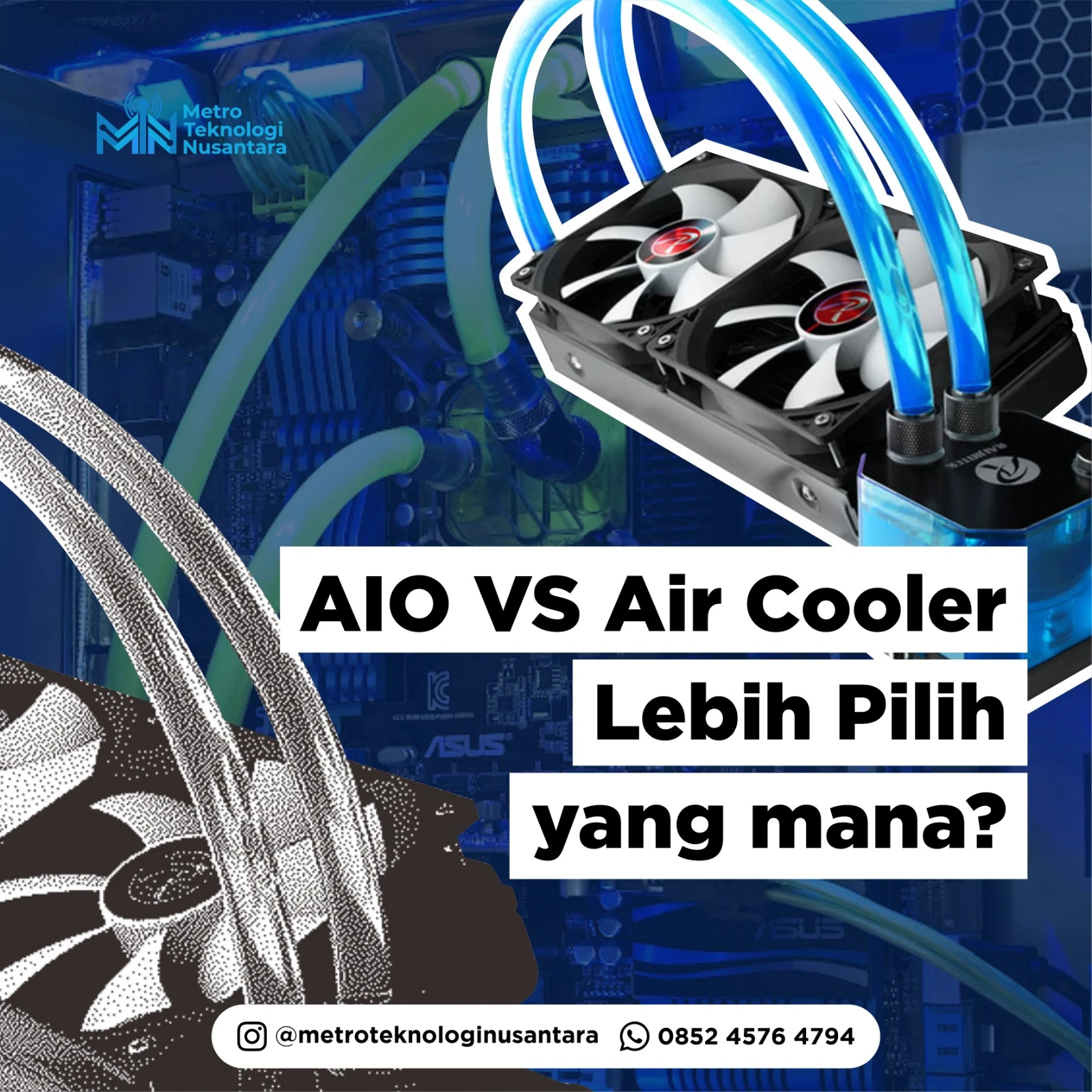
Similar to air cooling, the process begins with a base plate connected to the CPU’s IHS with a layer of thermal paste. This allows for better heat transfer between the two surfaces. The metal surface of the base plate is part of the water block, which is designed to be filled with coolant.
This coolant absorbs heat from the base plate as it moves through the water block. The coolant then continues to move through the system and up through one of two tubes to the radiator. The radiator exposes the coolant to air, helping to cool it down, and the fan attached to the radiator moves heat away from the cooler. The coolant then re-enters the water block, and the cycle starts again.
If you want near-silent, highly efficient cooling and don’t mind the higher price tag, liquid cooling will fit your budget. If you are looking for a more affordable solution and simpler installation at the cost of potential peak performance or acoustics, air cooling is an easy recommendation.