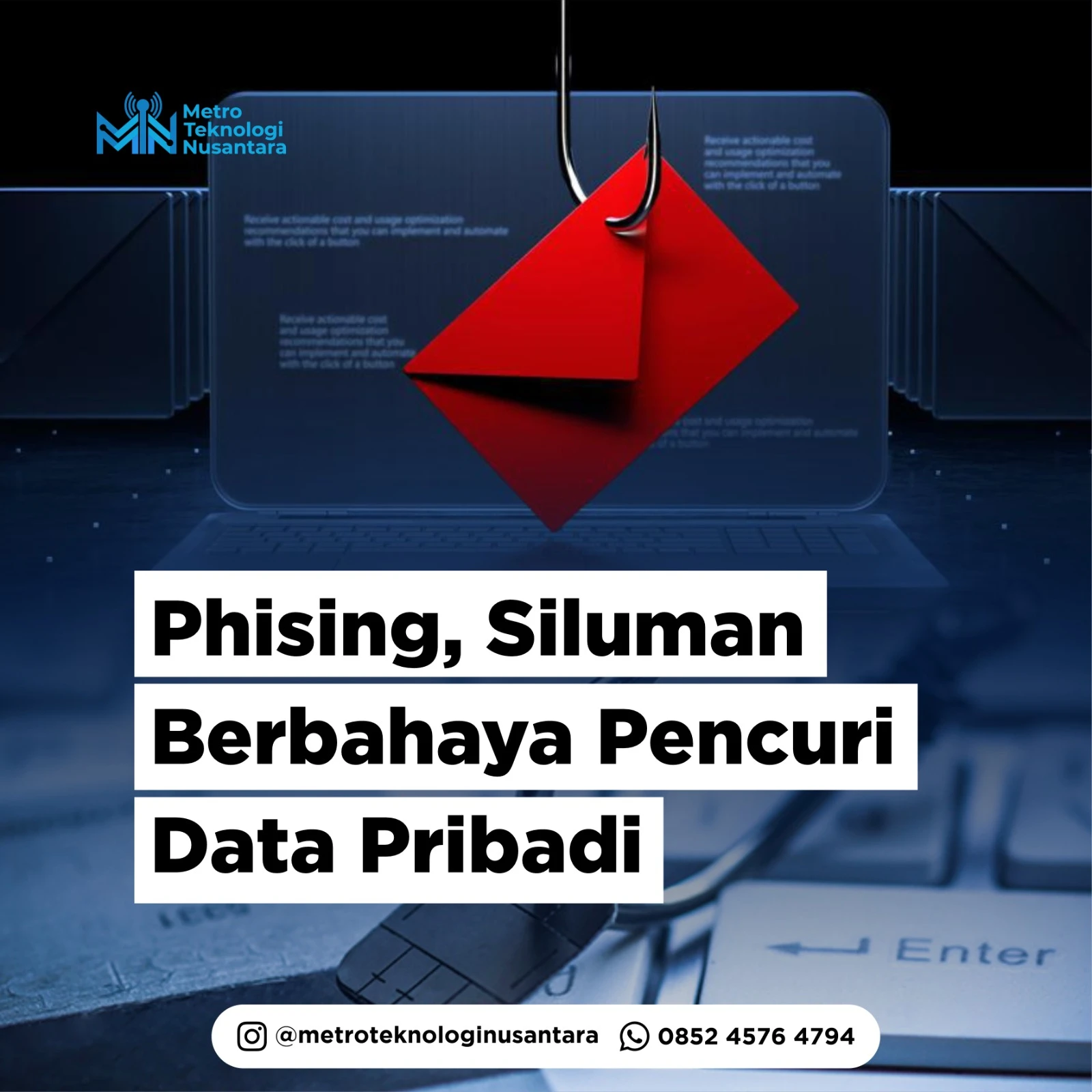
Phishing is an attempt to obtain someone's data information through deceptive techniques. The data targeted by phishing includes personal information (name, age, address), account data (username and password), and financial data (credit card information, bank account details).
The official term for phishing is "phishing," derived from the word "fishing."
To better understand phishing actions, let’s explore the most commonly encountered types of phishing today:
Email Phishing
As the name suggests, email phishing uses email as a medium to reach potential victims.
Spear Phishing
Spear phishing is a type of email phishing. The difference is that instead of sending mass emails to random potential victims, spear phishing targets specific individuals.
Whaling
Whaling is a phishing attempt that specifically targets high-profile individuals within an organization, such as business owners, company directors, human resources managers, and others.
Web Phishing
Web phishing is an attempt to use fake websites to deceive potential victims. Phishing websites appear similar to official websites and use similar domains. This is known as domain spoofing.
To help you avoid phishing crimes as a user of certain platforms, here are some tips you should follow:
Always Check the Sender of the Email
You should not only look at the sender's name but also the email address in the From field, as the email could be fake.
Do Not Click on Links Recklessly
Ensure the Security of the Website Accessed
Only conduct transactions on websites that use SSL. A website with SSL is indicated by a padlock icon in the HTTPS protocol.
Use Two-Factor Authentication
If the platform you are using offers it, always enable Two-Factor Authentication (2FA). This system uses a two-step verification process, which includes your password and your mobile device.